If you’ve dealt with slow drains, recurring clogs or any backup risk over the past year, spring is the right time to schedule a sewer camera inspection.
As the ground thaws, seasonal rain increases and soil shifts after months of freeze-thaw cycles, hidden sewer line damage that developed over winter can quickly turn into a costly emergency. A spring sewer camera inspection lets a licensed plumber see exactly what’s happening inside your line — identifying roots, cracks, offset joints or buildup — before a minor issue becomes a major problem.
Discover more: Learn how camera and sewer inspections work
What Is a Sewer Camera Inspection?
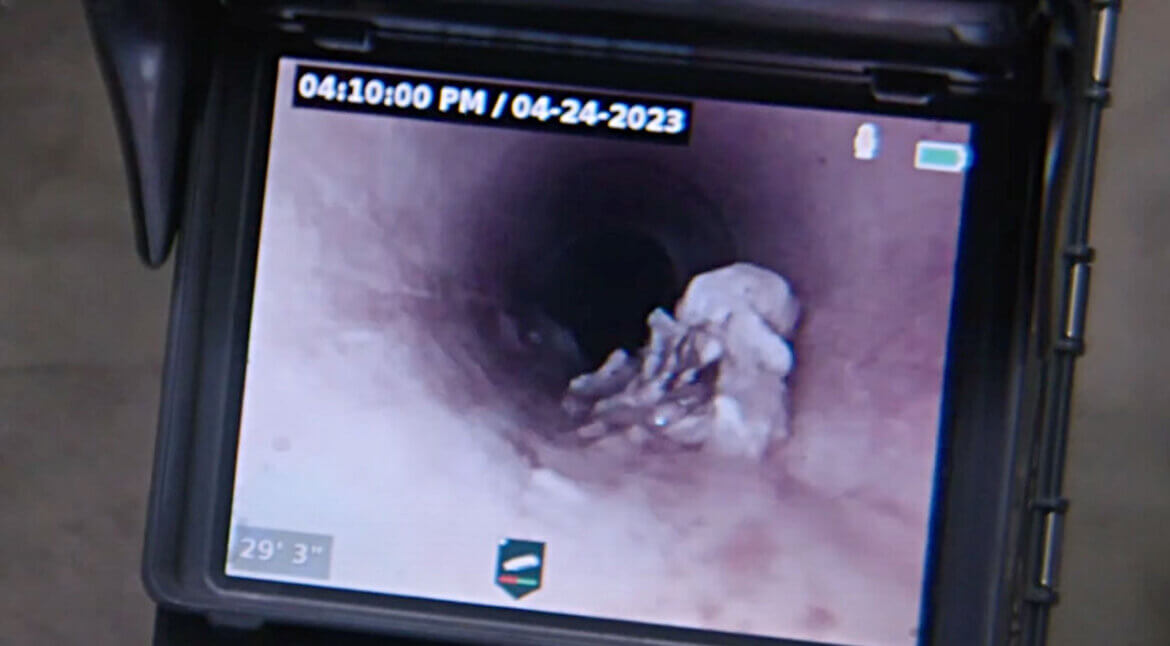
A sewer camera inspection is a way to look inside your drain and sewer line using a specialized waterproof camera. It helps confirm what’s actually causing problems, without guesswork or unnecessary digging.
Spring is when many hidden issues become obvious: lines can shift, joints can separate and debris can move after months of freezing and thawing. A camera inspection shows the condition of the pipe and pinpoints trouble spots before they fail.
Why Spring Is the Riskiest Season for Sewer Line Damage
Freeze-thaw cycles can stress older pipes and joints, especially where the ground moves as it expands and contracts. That movement can turn a small crack into a bigger opening that catches waste and paper.
Spring rain and saturated soil can also increase pressure around buried lines. If a pipe already has weak points, added groundwater can worsen misalignment, infiltration or collapse risk.
Tree roots are another common spring factor. Roots seek moisture year-round, but spring growth can accelerate intrusion through tiny gaps, creating a net that snags debris and triggers repeat clogs.
What to Do Before Your Sewer Camera Inspection
Start by noting the pattern of symptoms: which fixtures drain slowly, how often clogs return and whether problems spike after heavy water use. That timeline helps a plumber interpret what the camera shows.
Use safe, basic steps to reduce strain on the line while you monitor. Avoid chemical drain cleaners, which can be hazardous and may not address the real obstruction inside the sewer line. In the meantime, these steps can help:
- Run water in one fixture at a time and watch for gurgling or slow drainage
- Check for sewer odors near drains, basements, or crawlspaces
- Look for recurring clogs that return within days or weeks
- Reduce grease, wipes and heavy paper use until the issue is diagnosed
- If you have a cleanout, keep it accessible and do not cover it
When to Call a Plumber for a Sewer Camera Inspection
Call a plumber if more than one drain is slow at the same time because that often indicates a main line issue rather than a single fixture clog. Also, call if you see water backing up, especially in the lowest drain, since that can escalate quickly.
If clogs keep returning after basic plunging or snaking, a camera inspection is the next practical step. It is also the right move if you suspect roots, pipe damage or a past backup that was never fully explained.
What a Sewer Camera Inspection May Reveal
Plumbers often find that “mystery clogs” are not random at all. They are repeat hang-up points caused by roots, offset joints, bellies (low spots) or deteriorated pipe walls. In spring, they commonly see evidence of shifting, such as small separations, cracks or areas where debris collects after seasonal ground movement.
Plumbers also see cases where a quick fix masked a bigger problem. A camera inspection confirms whether the line is structurally sound, locates the exact issue and guides the most appropriate next step based on what a plumber can actually see.
Sewer Line Prevention Tips for Homeowners
Treat spring as your annual sewer line check, especially if the property has mature trees or older plumbing. A proactive inspection can identify early-stage damage, making repairs simpler and less disruptive.
Be mindful of what goes down drains year-round. Even “flushable” products can contribute to buildup, and grease can harden inside pipes and trap debris.
If you have a history of backups or repeat clogs, ask about a routine sewer camera inspection schedule. Preventive checks help track changes over time and reduce the chance of surprise failures.
FAQs
- What is a sewer camera inspection?
- It is a diagnostic service in which a plumber feeds a waterproof camera through a drain or sewer line to inspect the pipe interior in real time. The camera transmits live footage that helps identify blockages, root intrusion, cracks, offset joints and other damage without guesswork or unnecessary digging.
- Why is spring a good time to schedule an inspection?
- Spring conditions can reveal issues caused by freeze-thaw movement, increased groundwater and seasonal root growth. Since damage often develops over winter and only becomes visible once the ground thaws, scheduling a sewer camera inspection in spring means you catch problems early before they escalate into costly repairs or backups.
- Will a camera inspection tell me exactly where the problem is?
- Yes. A sewer camera inspection typically pinpoints the exact location and nature of the issue, whether that’s roots, cracks, offset joints or buildup. This precise data helps your plumber recommend the right repair or cleaning approach, avoiding unnecessary work.
- Do I need an inspection if my drains seem fine?
- If you have a history of backups, recurring clogs, older piping or heavy tree root activity near the line, a preventive sewer camera inspection is a smart step. Many sewer line problems develop gradually and show no obvious symptoms until a full backup occurs. Early detection is far less costly than emergency repair.
Call Plumbers 911 Today
Don’t wait for a backup to find out what’s happening in your sewer line. If you’ve noticed warning signs — slow drains, recurring clogs or unexplained odors — a sewer camera inspection is the fastest way to get a clear answer before the problem escalates.
Our affiliated licensed, bonded and insured contractors serve homeowners across the country and will guide you through the process to ensure all plumbing work is done correctly. They employ highly qualified plumbers who have completed over 10,000 hours of training and undergone rigorous background checks.
Call Plumbers 911 today to speak with a local contractor in your area.