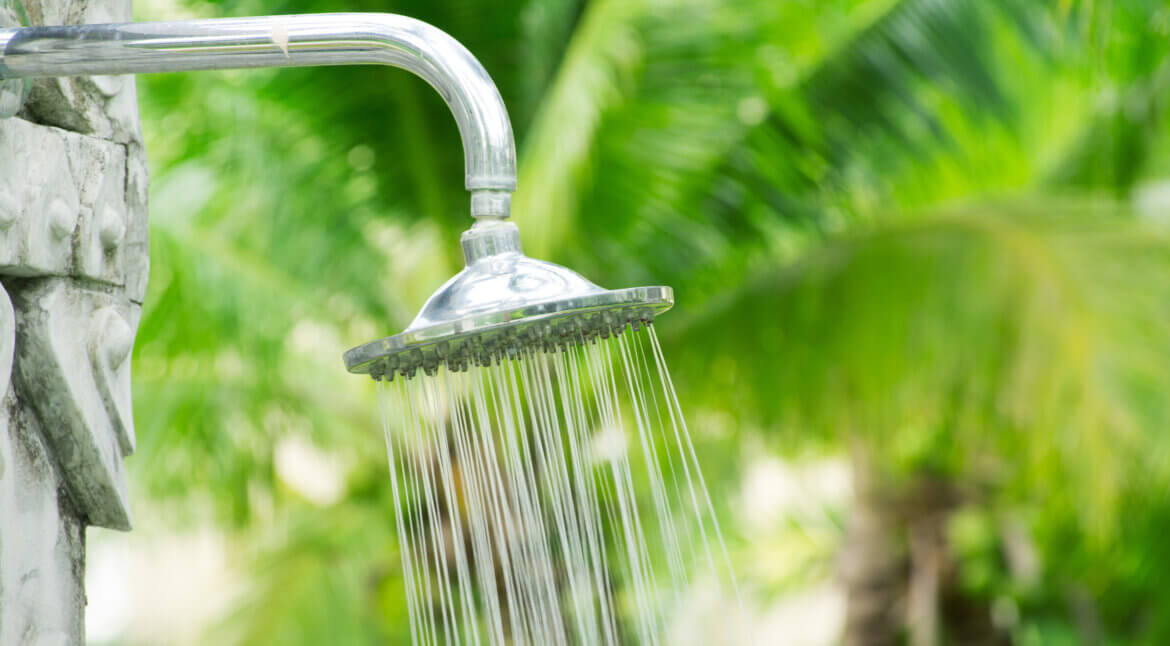
An outdoor shower is one of the most satisfying warm-weather additions a homeowner can make. It is practical after a day at the pool or beach and a genuine upgrade to any backyard space. Getting it right means thinking through water supply, drainage and materials before a single pipe is run, and most installations benefit from at least a consultation with a licensed plumber.
If you’re planning an outdoor shower with hot and cold water, a dedicated drain line or anything beyond a basic cold-water rinse, a plumber referred by Plumbers 911 should be involved from the start.
Outdoor Shower Plumbing Services | Plumbers 911
What’s Happening
Outdoor showers have moved well beyond the simple cold-water rinse-off mounted to the side of a beach house. Homeowners across the country are designing dedicated outdoor shower spaces with hot and cold water, built-in benches, privacy screens and finished drainage. These are features that require real plumbing connections and careful planning. As summer 2026 approaches, interest in backyard upgrades has surged, and outdoor shower installations are near the top of homeowners’ lists for a functional, resort-style experience at home.
The timing matters because outdoor shower projects have lead times. Running supply lines, tying into existing plumbing and installing proper drainage can require permits, inspections and coordination with a licensed plumber, especially for hot water connections. Homeowners who start planning in spring are far better positioned to enjoy the installation all summer than those who wait until July and find themselves mid-project during the busiest season for contractors.
Why It Happens
Most outdoor shower complications stem from three planning gaps. The first is underestimating the drainage requirement. An outdoor shower can produce a significant volume of water in a short time, and that water needs a clear path away from the home’s foundation. Homeowners who attach a showerhead to an exterior hose bib and assume the water will drain harmlessly into the yard often end up with erosion, standing water or moisture against the foundation. A proper drain — whether a dry well, a French drain or a connection to the home’s drain system — requires planning and, in many cases, a permit.
The second gap is inadequate freeze protection. Even in warmer climates, outdoor water lines need to be designed with winterization in mind. Supply lines to an outdoor shower should include shutoff valves and drain valves inside the home so the lines can be completely drained at the end of the season. Homeowners who skip this step often deal with cracked pipes after the first hard freeze — a repair that can be more expensive and disruptive than building the system correctly from the start.
The third common issue is choosing materials that aren’t rated for outdoor exposure. Fixtures, valves and fittings that work reliably indoors may corrode, seize or fail quickly when exposed to sun, humidity and temperature swings. Marine-grade and outdoor-rated components exist for this reason, and a plumber familiar with outdoor installations can specify the right materials for your climate and usage patterns.
What You Can Safely Do Now
Before calling a plumber, you can do meaningful planning that will make the installation faster and result in a more closely matched outcome. Start by deciding where the shower will go — ideally with proximity to an existing water supply line in mind — and think through how and where the water will drain.
- Choose a location with drainage in mind. Position the shower so water drains away from the home’s foundation — downhill, if possible and away from areas where standing water could become a problem.
- Decide on hot and cold versus cold-water-only. A cold-water-only outdoor shower is a simpler installation. Adding hot water requires a connection to the home’s water heater or a dedicated outdoor water heater, which increases the project’s scope and permitting requirements.
- Look into local permit requirements. Most jurisdictions require a permit for outdoor plumbing that connects to the home’s supply or drain system. Your plumber can guide you through this, but knowing your municipality’s general rules ahead of time helps set realistic expectations for the project timeline.
- Plan for privacy and enclosure. A shower screen, privacy wall or landscaping buffer affects where the drain can go and how the water supply lines will run. Settling on an enclosure design before plumbing begins prevents having to reroute lines later.
- Think about the floor surface. Teak, stone, concrete and composite decking each have different drainage implications. The floor material should be chosen in coordination with the drain design, not after the fact.
- Note the location of your nearest exterior hose bib and your home’s main water shutoff. This information helps a plumber quickly assess the most practical supply route for the new installation.
When to Call a Plumber
Call a plumber before any pipes are run or trenches dug. This is particularly important if you want hot and cold water, if the installation requires connecting to the home’s existing drain system or if your project will need a permit. A plumber can assess the most practical supply route, confirm whether your water pressure is adequate to serve an outdoor fixture without affecting indoor pressure and advise on the right drain solution for your property’s grade and soil.
You should also call a plumber if you’re dealing with an existing outdoor shower that has developed problems — a valve that won’t fully close, a fixture that drips constantly or a drain that backs up or drains too slowly. These issues can seem minor, but often indicate supply line corrosion, a failed valve or a drain that was undersized or incorrectly installed from the start.
What Plumbers See in the Field
When called to evaluate or repair outdoor shower installations, plumbers frequently find systems where the homeowner connected a showerhead directly to a garden hose bib using a standard brass fitting and assumed that was sufficient. The immediate problem is often a dripping valve or a fixture that won’t deliver adequate flow — but the more significant issue is usually drainage. Water from an unplanned outdoor shower tends to pool against the home’s foundation or saturate a specific patch of lawn, creating a persistent wet area. By the time a plumber is called, the homeowner has often tolerated the drainage problem for a full season or more.
On new installation calls, the most common planning gap plumbers encounter is a mismatch between the homeowner’s vision and the structural reality of the supply route. A shower positioned at the far corner of a yard may require running a supply line 60 feet, or more, from the nearest connection point. This has implications for water pressure, pipe size and trenching scope that weren’t apparent when the location was chosen based on aesthetics alone. A conversation with a plumber at the planning stage — before the deck is built or the privacy screen is installed — can prevent significant rework.
What a Plumber Will Do
When a plumber arrives to plan or install an outdoor shower, the process starts with a site assessment: evaluating the proposed location relative to existing supply lines, checking water pressure at the nearest access point, assessing the grade and drainage conditions at the site and confirming what permit the jurisdiction requires. For new installations, the plumber will map the supply route from the home’s water system to the shower location and design the drain solution based on the site’s specific conditions — whether that’s a connection to the sanitary system, a dry well or a properly graded surface drain.
During installation, the plumber will run properly rated supply lines, install shutoff and drain valves in an accessible interior location for winterization, set the shower valve and fixture and connect or construct the drain. If a hot water connection is included, the plumber will tie into the appropriate supply line and ensure the run length and insulation are appropriate to deliver warm water in a reasonable time. At the end of the installation, the plumber will test for leaks, confirm proper drainage flow and walk you through how to operate the shutoffs at the end of each season.
Prevention Tips
The single most important maintenance habit for an outdoor shower is proper winterization. At the end of each cooling season, close the interior shutoff valves that feed the outdoor lines and open the drain valves to fully empty the supply pipes. Leave the outdoor fixture valves in the open position after draining so any remaining water can escape as temperatures drop. This takes about five minutes and prevents the freeze damage that accounts for most outdoor shower repair calls.
During the season, rinse the shower fixture and drain cover after heavy use, and check the drain periodically to ensure it’s flowing freely. Leaves, sand and debris can accumulate quickly in outdoor drains, and a slow drain is much easier to address than one that has backed up and pooled around the shower floor. If your drain has a removable cover, pull it and clear any visible debris once a month during peak season.
Every two or three seasons, have a plumber check the supply line connections and the condition of the valves. Outdoor valves and fittings are exposed to more stress than their indoor counterparts, and catching a valve that is beginning to corrode or a fitting that has developed a small weep before it becomes a full leak extends the life of the installation considerably.
FAQs
What exactly does an outdoor shower installation involve?
An outdoor shower installation typically involves running a water supply line from the home’s existing plumbing to the shower location, installing a valve and fixture at the shower and installing an appropriate drain solution for the site. Depending on the design, it may also involve connecting to a hot water supply, obtaining a permit, trenching to bury supply lines below frost depth and installing a floor surface with adequate slope toward the drain. The scope varies significantly based on how far the shower is from the home’s water supply and what type of drainage is feasible for the site.
My outdoor shower was installed years ago, and I don’t know what’s behind the wall. Does that matter?
It can. Not knowing the pipe material, the valve type or whether the supply lines were installed with proper freeze protection means a plumber will need to assess what’s there before doing any repair or upgrade work. In older installations, it’s not uncommon to find supply lines that weren’t rated for outdoor use, valves that are corroded or partially seized and drain connections that were never formally permitted. A plumber can evaluate the existing system and advise on whether it makes more sense to repair the current installation or replace it with a properly designed one.
You can just run a garden hose to a showerhead and call it an outdoor shower. Is that really a problem?
It works as a short-term solution, but it has real limitations. A hose bib is designed for intermittent use with a hose, not continuous flow through a showerhead, and the valve seals can degrade faster under that type of use. More significantly, a hose-fed shower has no controlled drainage — water goes wherever the grade takes it, which is often toward the home’s foundation. Since the hose connection is above ground and exposed, the line is vulnerable to freezing, with no practical way to properly winterize it. For occasional use, it’s low risk, but as a season-long solution, it tends to create problems.
Do I need a permit to install an outdoor shower?
In most jurisdictions, yes, especially if the shower connects to the home’s water supply or drain system. The permit requirement exists because outdoor plumbing connections affect the home’s overall system, and inspections confirm that the work meets local code for things like pipe depth, backflow prevention and drain connection. Your plumber can pull the permit on your behalf and schedule the required inspections. The process adds a step but also gives you documentation that the work was done to code, which matters if you ever sell the home.
Call Plumbers 911 Today
If you’re ready to design and install a backyard outdoor shower, it’s safer and faster to get a qualified plumber involved before the project begins — especially if your plans include hot water, a dedicated drain connection or a location that requires running new supply lines. Getting the plumbing right from the start means a shower that works all season reliably and winterizes cleanly every fall.
Our affiliated licensed, bonded and insured contractors will guide you through the process and ensure all the plumbing work is done correctly. They employ highly qualified plumbers who receive over 10,000 hours of training and undergo rigorous background checks. Call Plumbers 911 today to speak with one of our contractors in your area.