You know the drill. You’re halfway through a shower, and the water is already up to your ankles. The kitchen sink takes 10 minutes to empty after dinner. The bathtub gurgles like it’s trying to tell you something. You pour a bottle of drain cleaner down the drain, and the water goes down a little faster for a week, and life goes on.
A slow drain is your plumbing’s version of a check engine light. Something is building up inside your pipes, and it’s only going to get thicker. Ignore it long enough, and that sluggish sink turns into a full clog, a backed-up line or a sewage mess on the basement floor.
You need to find out what’s really slowing down your drains. Learn why the usual quick fixes don’t last, and why hydro-jetting is often the smartest way to get your pipes truly clean. If the quick fixes don’t work, call Plumbers 911 for a referral to a licensed plumbing contractor near you.
The Real Cost of Ignoring a Slow Drain
A slow drain feels like a minor annoyance, so it’s easy to put off. The problem is that the buildup inside a pipe doesn’t stay the same size. Every load of dishes, every shower and every flush adds another thin layer. The opening gets smaller, water moves more slowly, and more gunk has time to stick. It’s a cycle that only goes in one direction.
When the line finally closes off, it usually picks the worst possible moment: right after a holiday dinner with a house full of guests or a Sunday night when you just want to go to bed. A main line backup can push wastewater out of the lowest drain in the house, which often means the basement floor drain or a ground-floor shower. Now you’re dealing with cleanup, possible water damage and an emergency service call instead of a routine visit.
Repeated clogs also wear on your pipes. Constant pressure from standing water, plus the harsh chemicals people pour down the drain to fight it, can weaken older lines over time. The longer a problem drain goes untreated, the more likely you are to need a repair instead of just a cleaning.
Why Drains Slow Down in the First Place
Grease, Fats and Oils
Grease is the classic kitchen drain villain. It goes down warm and liquid, then cools and hardens inside the pipe like candle wax. Food scraps and coffee grounds stick to it, and before long, you’ve got a thick, sticky coating narrowing the line. Even small amounts poured down the sink every day add up fast.
Hair, toothpaste and Soap Scum
In the bathroom, hair is the main troublemaker. It tangles into knots that catch everything else floating by. Soap scum and, in the case of the bathroom sink, toothpaste, can glue everything together into a slimy mass that clings to pipe walls. This is why bathroom sinks and tub drains slow down gradually and then seem to clog almost overnight.
Mineral Scale
If you have hard water, minerals like calcium and magnesium slowly build up inside your pipes as a crusty, rock-like layer. Scale narrows the pipe and gives grease and debris a rough surface to grab onto. A plunger or a snake can’t do much about it, because it’s stuck to the pipe wall itself.
Tree Roots
Tree roots go looking for water, and a tiny crack or loose joint in an underground sewer line is an open invitation. Once roots get inside, they grow into a net that catches toilet paper, grease and waste. Slow drains throughout the whole house, especially on the lowest floor, can be a sign that roots have taken hold of your main line.
Things That Should Never Go Down a Drain
“Flushable” wipes, paper towels, cotton swabs, dental floss, feminine products and cat litter all cause trouble. Most of them don’t break down the way toilet paper does. They snag on rough spots and joints, becoming the starting point for a much bigger clog.
Signs You Need More Than a Plunger
A single slow sink might just need a quick cleaning. These signs point to something deeper in the line:
- More than one drain in the house is slow at the same time.
- Gurgling sounds from a sink, tub or toilet when another fixture drains.
- Water is backing up into the shower or tub when you flush the toilet or run the washing machine.
- Bad smells are coming from drains even after you’ve cleaned them.
- A drain that clogs again just a few weeks after it was cleared.
- Water or sewage is coming up through a basement floor drain.
- Soggy patches or unusually green grass in the yard above your sewer line.
Hydro-Jetting vs. Snaking: What’s the Difference?
Most people are familiar with a drain snake, also called an auger. It’s a long, flexible cable that a plumber feeds into the pipe to break up or pull out a clog. Snaking works well for a single stubborn blockage, like a wad of hair or a toy a toddler flushed. The catch is that a snake usually just punches a hole through the clog. The grease, scale and sludge coating the rest of the pipe stay right where they were, ready to catch the next clog.
Hydro-jetting takes a different approach. A plumber sends a stream of highly pressurized water through a special hose and nozzle that scrubs the inside of the pipe from wall to wall. Residential jetting typically runs at a few thousand PSI, which is enough to blast away grease, soap scum, mineral scale, sludge and even tree roots. Instead of poking a hole through the problem, it washes the whole thing out and leaves the pipe close to its original diameter.
Think of it this way: snaking is like clearing a path through a snowy driveway with one swipe of a shovel. Hydro-jetting is like melting the snow off the whole driveway. One gets you out today. The other keeps you from having to shovel again next week.
Also, hydro-jetting uses only water, so no harsh chemicals enter your pipes or the local water supply.
What You Can Do Right Now
Hydro-jetting is a job for a pro, but a few simple habits can keep slow drains from getting worse while you wait for an appointment:
- Put a mesh drain catcher in every shower and tub to catch hair before it goes down the drain.
- Pour cooking grease into an old can or jar, let it harden, and toss it in the trash.
- Scrape plates into the trash or compost before rinsing them in the sink.
- Once a week, run hot water down the kitchen and bathroom drains for a minute to help move any loose buildup along.
- Skip the chemical drain cleaners. They can be rough on older pipes, and they rarely clear the whole problem.
- Only flush the three Ps: pee, poop and toilet paper. Everything else goes in the trash, even if the package says “flushable.”
- Find your main sewer cleanout so a plumber can get to it quickly if you ever have a backup.
How a Plumber Performs Hydro-Jetting
When a slow drain is beyond a DIY fix, a Plumbers 911-affiliated contractor will usually start with a professional drain cleaning assessment to figure out what’s going on and where.
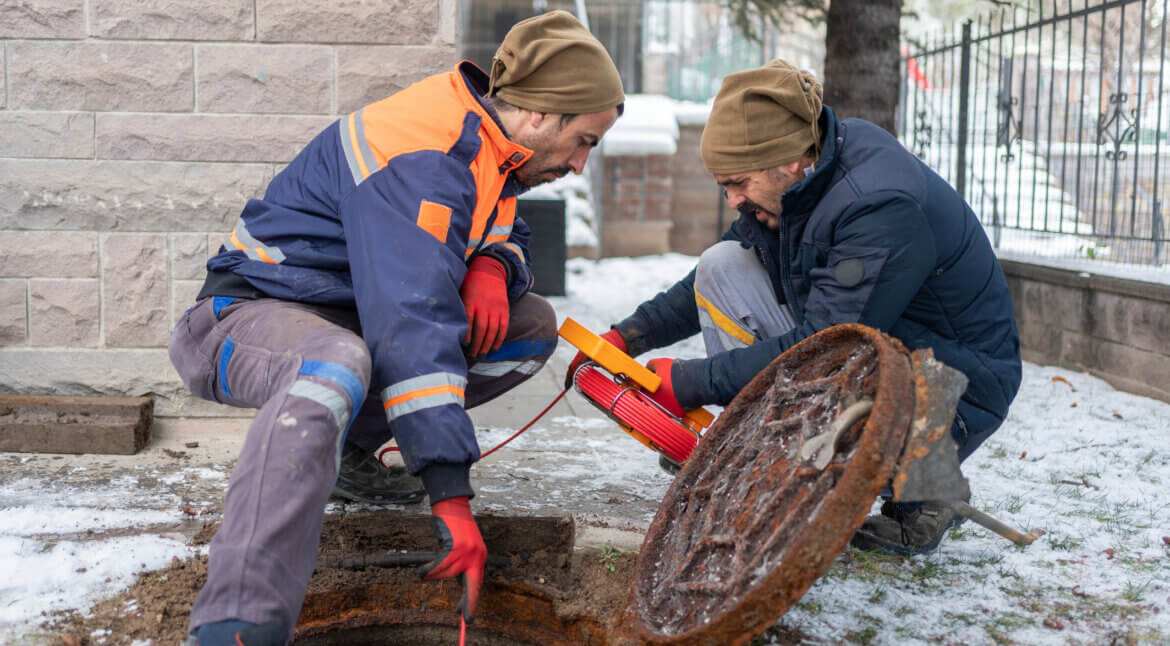
In many cases, the first step is a camera inspection. A small waterproof camera goes into the line so the plumber can see exactly what’s causing the problem, whether it’s grease, scale, roots or a damaged section of pipe. This step matters because hydro-jetting is powerful. Pipes that are badly cracked, collapsed or very fragile may need repair before high-pressure cleaning.
Once the line checks out, the plumber feeds the jetting hose in through a cleanout or drain opening. Different nozzles are used for different jobs. Some spray backward to scrub the walls, while root-cutting nozzles are designed to chew through roots that have grown into the line. Debris is flushed down and out to the sewer or septic system. Many plumbers will run the camera again afterward to confirm the pipe is clean from end to end.
If the inspection reveals a broken or root-damaged section, the contractor will walk you through repair options so you don’t keep paying to clear the same clog.
Preventing Future Clogs
Once your pipes are clean, a few habits help keep them that way:
- Keep grease, coffee grounds and fibrous food scraps like celery and potato peels out of the kitchen sink and garbage disposal.
- Clean drain catchers in showers and tubs every week or two.
- Consider a water softener if hard water and mineral buildup are recurring problems in your home.
- Schedule professional drain cleaning every year or two if your home has older pipes, mature trees near the sewer line or a history of clogs.
- Deal with slow drains as soon as you notice them, while they’re still an easy fix.
- If you own a rental property or a busy household, add drain maintenance to your yearly checklist.
Frequently Asked Questions About Hydro-Jetting
Is hydro-jetting safe for my pipes?
For pipes in good condition, yes. Hydro-jetting is safe for most PVC, cast iron and other common drain lines. That’s why a camera inspection usually comes first. If the plumber spots a cracked, collapsed or badly deteriorated pipe, they’ll recommend repairing that section before jetting the line.
How is hydro-jetting different from using a drain snake?
A snake breaks through a single clog, but it usually leaves buildup on the pipe walls behind. Hydro-jetting blasts the entire interior of the pipe clean, removing grease and scale that can cause new clogs. If your drains keep clogging after being snaked, jetting is often the better long-term fix.
Can hydro-jetting remove tree roots?
Yes. With the right nozzle, hydro-jetting can cut through and flush out roots that have grown into a sewer line. Roots will try to come back if the crack or joint they got through isn’t repaired, so your plumber may suggest a repair or a regular maintenance schedule.
How often should I have my drains hydro-jetted?
Most homes don’t need it often. Every year or two is common for homes with older pipes, heavy use, hard water or nearby trees. Homes with no history of problems may only need it when a slow drain shows up. Your plumber can suggest a schedule based on what the camera shows.
Are chemical drain cleaners a good alternative?
Not really. They might temporarily loosen a small clog, but they don’t clean the pipe walls, and the harsh chemicals can be hard on older pipes. They also make the job more dangerous for any plumber who has to open the line later. Hydro-jetting cleans the entire pipe using only water.
Call Plumbers 911 Today
If a slow drain has already turned into a stubborn clog and water is backing up in your sinks, tubs or basement, don’t wait for a full blockage. Call Plumbers 911 for a referral to a top contractor in your neighborhood.
Our affiliated licensed, bonded and insured contractors will guide you through the process and ensure all the plumbing work is done correctly. They employ highly qualified plumbers who receive over 10,000 hours of training and undergo rigorous background checks.