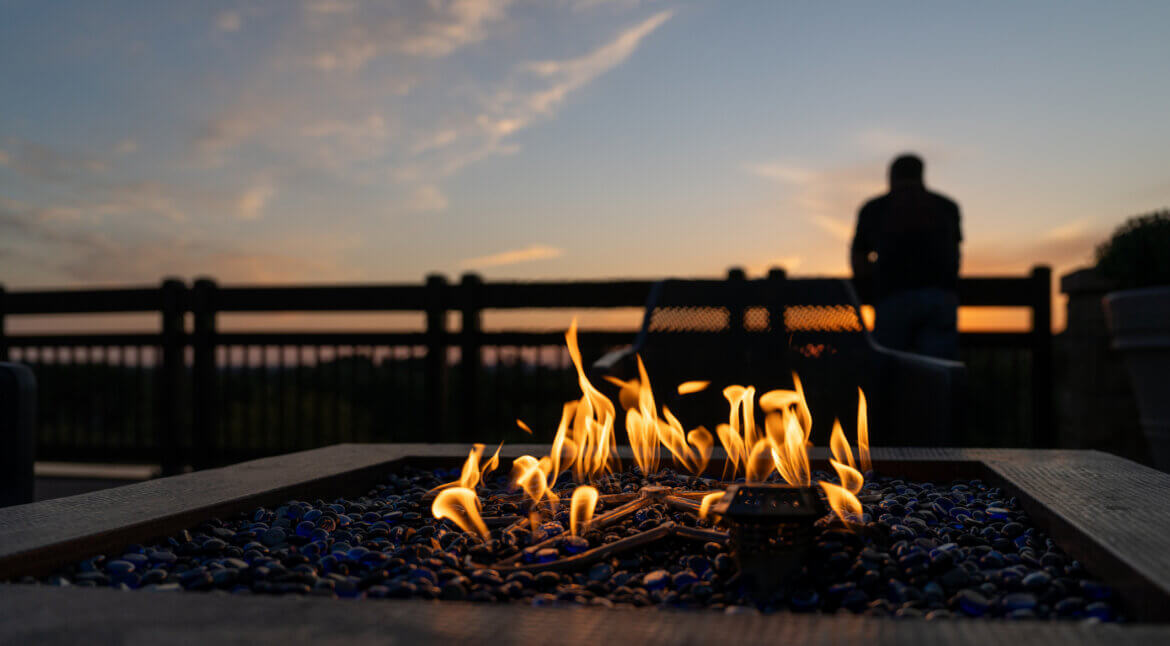
A gas fireplace or gas fire pit can turn any cold night into a comfortable, relaxing evening. There is no wood to split, no ash to sweep, and no waiting for the flames — just instant warmth with the turn of a key. However, behind every reliable gas fire feature is a properly installed gas line, sized, routed and inspected by a licensed professional.
This Plumbers 911 guide walks through what gas line installation for a fireplace or fire pit involves, what to know before you buy an appliance and how to make sure the work is done safely.
Gas Line Installation and Repair | Plumbers 911 [https://plumbers911.com/additional-plumbing-services/gas-line-installation-and-repair/]
Why Gas Fireplaces and Fire Pits Are a Popular Home Upgrade
When it comes to fireplaces, homeowners are choosing gas over wood in record numbers, and the reasons are practical. Gas fireplaces light instantly, produce steady heat and do not require chimney sweeping or firewood storage. In the backyard, gas fire pits extend outdoor entertainment into cooler months without the smoke, sparks and cleanup that come with a wood-burning pit.
Both features can add resale value, particularly in colder markets where buyers often expect an easy source of supplemental heat and an outdoor living space that works year-round.
The catch is that every gas fireplace and every fire pit relies on a properly functioning gas supply line, which a licensed plumber or gas fitter must install. This work is where safety, code compliance and long-term reliability all begin.
The Gas Line Is the Foundation of the Project
It is easy to focus on the fireplace insert or the fire pit design, but it is important not to treat the gas line as a formality. An undersized line will starve the burner, producing weak, yellow flames instead of a clean blue flame. A line joined with the wrong materials or fittings can leak silently for years. A line installed without a permit can jeopardize the sale of the home long after the original owner has moved on.
Getting the gas work right the first time is dramatically cheaper than fixing it later.
Plumbers 911 connects homeowners with licensed contractors who will help homeowners plan, install and obtain the necessary permit for the gas line as part of the project.
Planning a Gas Line for a Fireplace or Fire Pit
Choose Between Natural Gas and Propane
The first decision is the fuel source. If your home already has natural gas service, running a new line to an indoor fireplace or a nearby outdoor fire pit is usually the most convenient and cost-effective option. Natural gas flows continuously from the utility, with no cylinders to refill.
Propane is the right answer when natural gas is unavailable at the property or when the fire pit is too far from the house for a practical underground run. Propane fireplaces and fire pits require a tank and periodic refills, but propane delivers more BTUs per cubic foot, which can be an advantage in some outdoor setups.
A fireplace or fire pit designed for one fuel cannot run on the other without a conversion kit — and not every appliance offers one. Confirm the fuel type before you buy the appliance.
Confirm Your Meter Can Handle the New Load
Every gas appliance in the home draws from the same meter. A furnace, water heater, range and dryer already account for most of a typical residential meter’s rated capacity. Adding a fireplace rated at 40,000 to 90,000 BTUs or a fire pit rated at 60,000 to 100,000 BTUs can push the total load beyond what the meter can handle.
A licensed plumber calculates the combined BTU load, compares it to the meter’s rated capacity, and, if needed, coordinates with the gas utility for a meter upgrade. This step is often overlooked, and it is a common cause of underperforming appliances after installation.
Map the Route from Meter to Appliance
The gas line must travel from the meter to the appliance through walls, floors, ceilings or, for outdoor fire pits, underground. The route affects the pipe diameter, the material selected and the overall cost of the job.
For an indoor fireplace, a basement or crawl space usually allows a straightforward run. A slab foundation or a finished second-floor location makes routing more involved. For an outdoor fire pit, the plumber runs an underground line rated for direct burial from the home to the pit location, then transitions to a metal pipe above grade at the pit.
Indoor Gas Fireplace Installation: What to Expect
For an indoor gas fireplace, a Plumbers 911-affiliated licensed plumber typically runs the gas line from the nearest suitable connection point to the fireplace’s designated location. Black iron pipe or listed CSST (corrugated stainless-steel tubing) is used inside walls and floors, with an accessible shutoff valve installed at the appliance connection.
Once the line is complete, the plumber pressure-tests it well above operating pressure to confirm there are no leaks, then coordinates the inspection with the local building department. After passing inspection, the fireplace or hearth installer connects and commissions the appliance.
Most indoor fireplace gas line installations take one to two days for the pipework itself, not counting the appliance installation or inspection scheduling.
Outdoor Gas Fire Pit Installation: What to Know Before You Break Ground
Outdoor fire pits require an underground gas line from the house to the pit location, and the timing of that work matters. Running the gas line before the patio is built is dramatically less expensive than retrofitting one afterward. If you are planning a patio and thinking about adding a gas fire feature someday, having a capped gas stub roughed in during construction saves significant labor later.
The pipe used underground is typically a listed polyethylene (PE) gas pipe rated for direct burial, run at code-required depth, with a metal riser that transitions above grade near the pit. The plumber sizes the pipe based on the fire pit’s BTU rating and the total distance from the meter.
Common residential runs of 30 to 100 feet are well within design range, but every additional foot requires careful sizing to maintain the correct gas pressure at the burner. A Plumbers 911 contractor will calculate the correct pipe diameter before digging the trench.
Permits, Codes and Why Licensed Installation Isn’t Optional
Gas line work requires a permit in nearly every U.S. jurisdiction, and it must be performed by a licensed plumber or gas fitter. These requirements protect homeowners from installations that could fail catastrophically years later.
Unpermitted gas work is one of the most common issues flagged during home sale inspections. When it’s discovered, the sale often stalls while a licensed plumber evaluates the work, corrects any deficiencies, and pulls a retroactive permit if the jurisdiction allows one.
Beyond the legal issue, there is a real safety issue. Gas leaks can cause fires, explosions or carbon monoxide poisoning. The pipe joints, pressure tests and inspection standards required for licensed installation exist because the consequences of getting it wrong are severe. Every Plumbers 911-affiliated contractor is licensed, bonded and insured.
Signs of a Gas Leak and What to Do
Even a properly installed gas system can develop issues over time. Learn to recognize the signs and act quickly.
Common indicators of a gas leak include:
- A rotten-egg or sulfur-like odor near the appliance, the meter or a gas line
- A hissing or whistling sound from a gas line or connection
- Dead or discolored vegetation directly over an outdoor gas line
- Bubbles rising in standing water near an outdoor line
- Occupants experiencing unexplained headaches, dizziness or nausea
If you suspect a leak, leave the area immediately, avoid operating any electrical switches or open flames, and call the gas utility from a safe location. Do not attempt to locate the leak yourself.
Keeping Your Gas Fireplace or Fire Pit Running Safely
Once the gas line and appliance are installed, a few habits can keep everything running safely for years:
- Test the appliance shutoff valve once a year to make sure it operates freely.
- Visually inspect exposed sections of gas line at the meter, in the basement and at outdoor risers for corrosion or physical damage.
- Clean the burner ports on your outdoor fire pit before the first use each season, as insects and debris can block them over the summer.
- Have the fireplace insert or fire pit burner serviced annually by a qualified technician.
- Keep working carbon monoxide detectors on every level of the home, especially near sleeping areas.
- Never store propane cylinders indoors or in an attached garage.
Frequently Asked Questions About Gas Fireplace and Fire Pit Installation
Can I install a gas line for a fireplace or fire pit myself?
No. Gas line installation requires a licensed plumber or gas fitter and a permit in nearly every jurisdiction. Gas work is unforgiving of small mistakes, and leaks can be silent and dangerous. Plumbers 911 makes it easy to find a qualified licensed contractor in your area.
How much does gas line installation for a fireplace or fire pit cost?
Costs vary based on distance from the meter, pipe material, whether the line is indoor or outdoor, and whether meter or service upgrades are needed. The total cost should include the permit and inspection.
How long does the installation take?
Most indoor fireplace gas line installations take one to two days. Outdoor fire pit lines can take two to three days, depending on the distance from the house and any hardscape that must be worked around. Inspection scheduling can add a few days to the overall timeline.
Do I need a permit for a gas fireplace or gas fire pit?
Yes, in nearly every U.S. jurisdiction. The licensed plumber handling the installation pulls the permit and coordinates the inspection as part of the job.
Can I convert a wood-burning fireplace to gas?
In most cases, yes. A licensed plumber can run a gas line to the existing fireplace opening, and a hearth specialist installs a gas insert sized to fit. The result is a lower-maintenance version of the fireplace you already have.
How far from the house can an outdoor gas fire pit be?
There’s no single maximum. The practical limit depends on the pit’s BTU rating, the pipe size used for the run, and the pressure available at the meter. Residential runs of 50 to 100 feet are common and well within design range when the pipe is sized correctly.
Natural gas or propane: which is better for a fire pit?
Natural gas is generally more convenient and less expensive to operate if your home already has service. Propane is the better choice when natural gas isn’t available, or if the pit is too far from the house. Confirm the appliance’s fuel type before you buy, because most units are not field-convertible without a kit.
Call Plumbers 911 Today
If you’re planning a gas fireplace or an outdoor gas fire pit this fall or winter, get a licensed plumber involved before you buy the appliance or start the surrounding construction. Call Plumbers 911 for a referral to a top, local plumber in your area.
Our affiliated licensed, bonded and insured contractors will guide you through the process and ensure all the gas line work is done correctly. They employ highly qualified plumbers who receive over 10,000 hours of training and undergo rigorous background checks. Call Plumbers 911 today to speak with a contractor in your area.