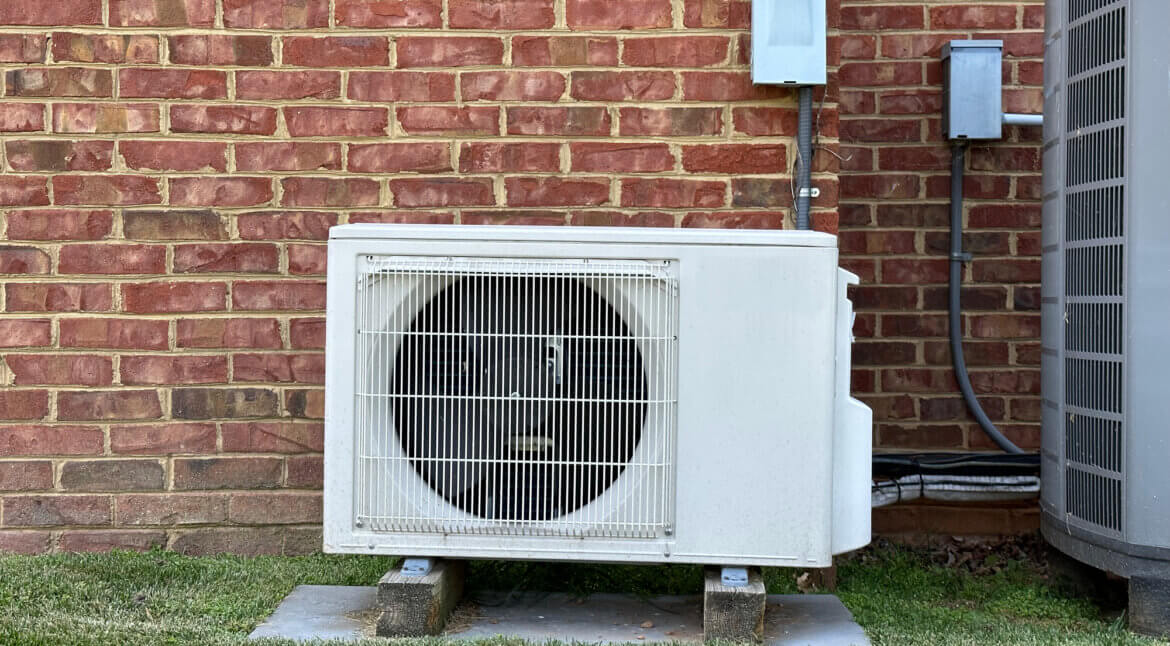
A hybrid heat pump system can improve year-round comfort by using an efficient heat pump for heating in colder weather and cooling in warmer months, but also relying on a backup HVAC source when temperatures drop or rise beyond the heat pump’s most effective range.
If you are considering such a switch, begin by checking your current system, reviewing your home’s ductwork or distribution system, and scheduling an evaluation by calling Plumber 911 to speak with a contractor in our network who can determine the right size and installation plan for your home’s needs.
What’s happening
A heat pump moves heat rather than creating it, which can make it an efficient way to heat in cooler months and cool in warmer months. A “hybrid” setup pairs the heat pump with secondary heating and cooling sources so the system can switch modes when it is more practical or when demand spikes.
In plain terms, you get one system strategy that covers multiple seasons, with a backup option to maintain comfort when the heat pump alone is not the best fit. The key is proper sizing and controls so the system changes over smoothly.
More on heat pumps | Heat pump installation and repair services
Why it happens
Most homeowners consider hybrid heat pumps when they want more consistent comfort across seasons and a system that can adapt to changing conditions. In many homes, a single heating approach can struggle during extreme demand, leading to uneven temperatures or frequent cycling.
A hybrid approach addresses those gaps by adding a second HVAC source and controls that decide which mode to run. The “advantage” comes from matching the equipment to real-world conditions rather than forcing one system to do everything all the time.
What you can safely do now (checklist)
- Identify your current setup (heat pump, furnace, boiler or another system) and note the age of major components.
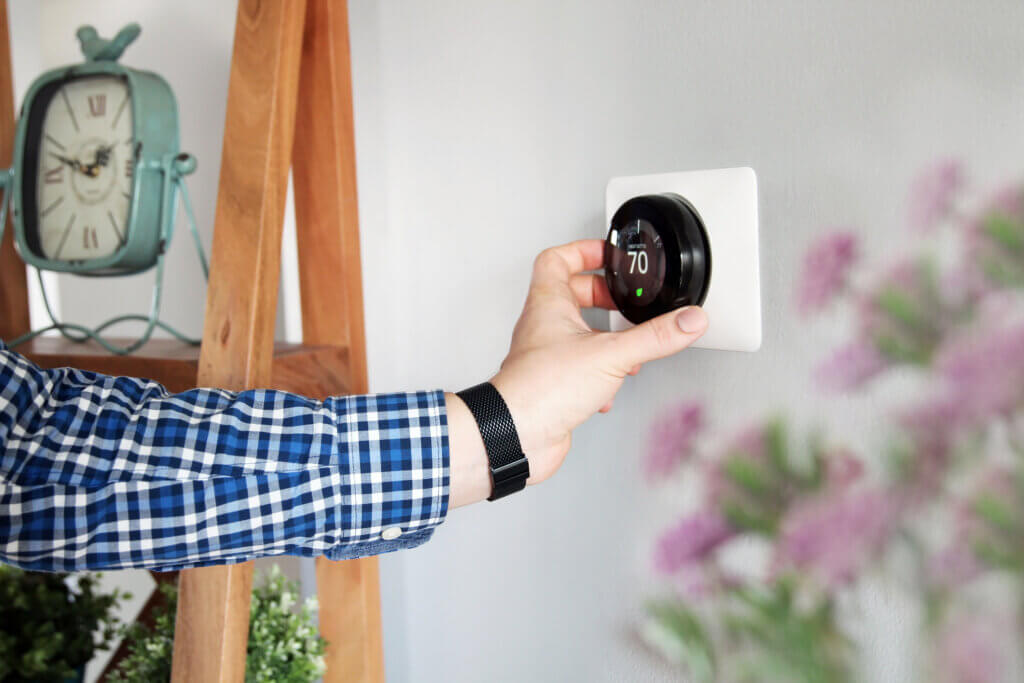
- Check your thermostat type and write down any comfort issues (hot/cold rooms, frequent cycling, humidity concerns).
- Inspect obvious airflow blockers such as closed supply vents, clogged return grilles or furniture blocking registers.
- Review your maintenance history (filter changes, tune-ups, past repairs), so your plumber has a clear baseline.
- Document utility concerns you want addressed (comfort, consistency, noise, reliability), without assuming the solution.
- Avoid DIY refrigerant or electrical work and do not open sealed equipment panels.
When to call a plumber
Call a plumber if you are planning a system change and have any of the following: inconsistent temperatures, repeated breakdowns, short-cycling, unusual noises or rising maintenance frequency. These symptoms can indicate sizing issues, airflow problems or equipment nearing the end of service life.
Also, call if you are unsure whether your home can support a hybrid setup without modifications. A qualified evaluation helps prevent comfort problems caused by incorrect sizing, poor distribution or mismatched controls.
What plumbers see in the field
In the field, plumbers often see homeowners choose hybrid systems after dealing with comfort swings and equipment that struggles during peak demand. Frequently, they discover the biggest performance differences come from proper sizing, correct airflow and well-configured controls, not just the equipment brand.
Avoidable issues arise when a heat pump is installed without addressing duct condition, return airflow or thermostat compatibility. When the system is designed as a complete package, the changeover is smoother, and comfort is more consistent.
What a plumber will do
A plumber will start with a home and system assessment, including equipment condition, distribution (ducting or hydronic components) and control strategy. They will verify whether a hybrid approach fits your home’s layout and comfort requirements.
Next, they will recommend equipment sizing and configuration, then plan installation steps such as setting up the outdoor unit, indoor components and controls. After installation, they will test operation in multiple modes to confirm safe performance and reliable changeover.

Prevention tips
Protect performance by keeping airflow consistent. Replace filters on schedule, keep returns unobstructed and maintain clear space around outdoor units. Routine maintenance helps prevent icing, short-cycling and efficiency loss.
Have a plumber review controls and changeover settings periodically, especially after any thermostat replacement or comfort complaints. Small adjustments can prevent larger wear-and-tear issues over time.
FAQs
1) What is a hybrid heat pump system?
It is a setup that uses a heat pump for heating and cooling, plus a secondary HVAC source for backup or high-demand conditions. Controls determine when to switch modes.
2) Will a hybrid heat pump work in any home?
Many homes can support one, but suitability depends on distribution, electrical capacity and equipment sizing. A qualified plumber can confirm what is required.
3) Why does sizing matter so much for heat pumps?
Incorrect sizing can cause short-cycling, uneven comfort and higher wear on components. Proper sizing helps the system run steadily and maintain consistent temperatures.
4) How do I know if my heat pump needs repair or replacement?
Frequent breakdowns, unusual noises, poor comfort and repeated cycling issues are common indicators of a problem. A plumber can evaluate whether repair or replacement is the better path.
Call Plumbers 911
If you are thinking about switching to a hybrid heat pump system, it is best to involve a qualified plumber early in the process. A professional evaluation can help confirm compatibility, identify any installation requirements, and prevent small issues from becoming larger problems later.
Our network of affiliated, licensed, bonded and insured contractors will guide you through the process and ensure the hybrid heat pump is installed correctly. They employ highly qualified plumbers who have completed over 10,000 hours of training and undergone rigorous background checks. Call Plumbers 911 today for a referral to an affiliated contractor in your area.