
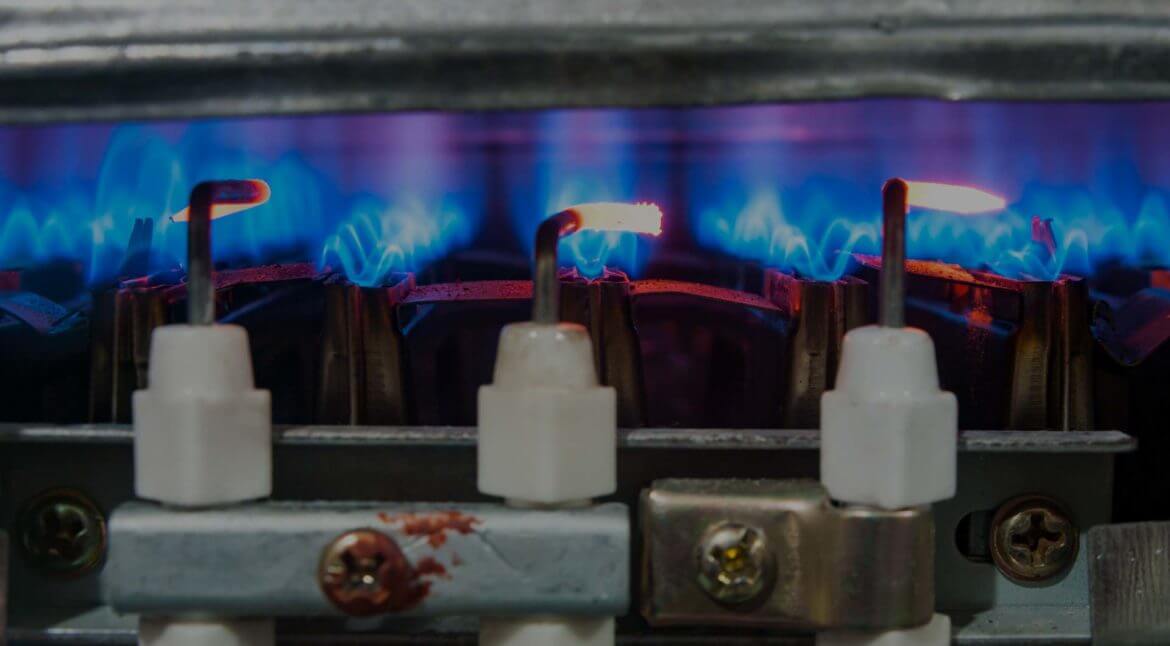
Natural gas systems power some of the most essential appliances in a home, from furnaces and water heaters to stoves and dryers. Since these systems usually operate quietly behind walls and floors, problems often go unnoticed until they become serious. Regular gas system maintenance plays a critical role in protecting both your home and the people inside it.
Many homeowners assume natural gas systems only need attention when something stops working. In reality, small issues can develop slowly and create safety risks long before a failure becomes obvious.
Why natural gas system maintenance is important
A properly maintained natural gas system delivers fuel safely and efficiently to appliances throughout the home. When components wear down, connections loosen or ventilation becomes restricted, the system may no longer operate as intended.
Gas leaks, incomplete combustion and carbon monoxide buildup are some of the possible risks when maintenance is neglected. These issues are not always visible and often require professional tools and experience to detect.
Common warning signs of natural gas system problems
Natural gas systems often provide early indicators that something is wrong. Recognizing these signs can help homeowners take action before a dangerous situation develops.
Unusual odors
A sulfur or rotten egg smell is one of the most well-known signs of a gas leak. Any unexplained gas odor should be taken seriously and addressed immediately.
Hissing sounds near natural gas lines or appliances
A faint hissing noise may indicate natural gas is escaping from a connection or damaged line. This is not normal operation and requires professional attention.
Pilot lights frequently go out
Pilot lights that will not stay lit may signal airflow issues, faulty components or natural gas delivery problems.
Soot buildup or discoloration
Black residue around gas appliances or vents can indicate incomplete combustion. This reduces efficiency and increases safety risks.
Unexplained increases in natural gas bills
A sudden rise in natural gas usage without changes in household habits may point to leaks or inefficiencies within the system.
What natural gas system maintenance typically includes
Professional natural gas system maintenance involves more than a quick visual check. Contractors inspect connections, valves and piping for leaks or corrosion. They verify proper airflow and venting, test appliance performance and confirm that safety controls are functioning correctly.
This process helps ensure appliances operate efficiently while reducing the risk of leaks or carbon monoxide exposure.
What homeowners can do between professional inspections
While natural gas system work should always be handled by professionals, homeowners can take a few basic precautions.
Pay attention to changes
New odors, sounds or appliance behavior should never be ignored.
Keep appliance areas clear
Blocked vents or clutter around gas appliances can interfere with proper airflow and ventilation.
Install carbon monoxide detectors
Carbon monoxide detectors provide an added layer of protection and should be installed according to a manufacturer’s recommendations.
These steps support safety but do not replace professional maintenance.
Call Plumbers 911 for natural gas system maintenance
Natural gas system maintenance and repair require specialized training, proper tools and strict adherence to safety codes. Attempting to diagnose or repair gas systems without professional experience can be extremely dangerous.
Plumbers 911 connects homeowners with a network of licensed, bonded and insured contractors whose plumbers are trained to service gas systems safely and correctly. Thanks to more than 10,000 hours of training, their plumbers are well-versed in local codes, appliance requirements and safety standards.
If your home relies on natural gas, regular maintenance is essential. Contact Plumbers 911 for a trusted contractor referral and help keep your home safe and your gas system operating properly.

 Please wash your hands frequently. Washing with soap and water for twenty seconds is the preferred method, however when water is not available, please use an alcohol based hand sanitizer containing at least 60% alcohol.
 Practice social distancing by staying at least six feet away from another person.