
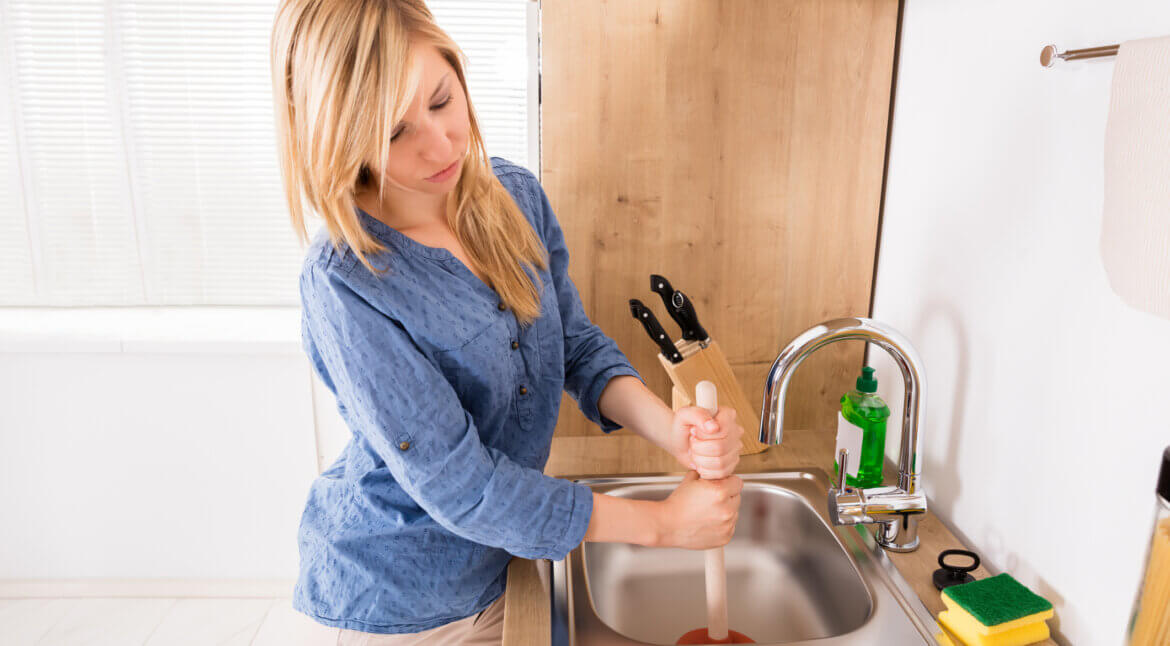
Most homeowners have experienced that moment when water begins to rise in a sink or toilet bowl, and their first instinct is to reach for a plunger. It feels like the fastest way to get things moving again, and many people continue plunging with the hope that one more attempt will finally clear the blockage. Instead, the water often rises higher, drains more slowly or backs up into another fixture, revealing that the clog is more serious than it first appeared.
Clogs can be far more complicated than they look. Forcing a blockage can sometimes push the problem deeper into the system or even cause new damage. Knowing when to stop plunging and call a professional can protect both your plumbing and your budget.
H2: Why the plunger is not always the answer
A plunger is effective for small, surface-level clogs, but many blockages develop further inside the plumbing system. When an obstruction is located deep in the line or tied to a structural or mechanical issue, a plunger simply cannot reach it.
H3: Deeper blockages
Hair, grease, soap buildup and foreign objects often settle in areas far beyond the range of a household plunger. Applying more pressure can compress the clog and make it harder to remove.
H3: Structural issues
Older or damaged pipes may shift or sag slightly over time, creating low spots where debris can collect. A plunger cannot correct the underlying problem and may place additional strain on weakened pipes.
H3: Hidden causes
Some drainage problems have nothing to do with a simple clog. They may be connected to a blocked vent stack, a failing sewer line or even tree root intrusion. These issues require professional tools and experience to diagnose and repair.
H2: What can go wrong when you plunge too aggressively
A plunger is designed for gentle pressure, but many homeowners start plunging with force when a clog will not budge. This can lead to unintended damage.
H3: Burst seals
Strong plunging can break toilet wax rings or seals, which allows leaks to develop unnoticed. Over time, this can lead to flooring damage or mold growth.
H3: Pipe damage
Older pipes are especially vulnerable, as excessive pressure can cause cracks, separations or loosened joints.
H3: Wastewater backup
A severe blockage may cause water to back up into other fixtures when pressure is applied. Homeowners often notice this when water begins rising in a tub or nearby sink after plunging a toilet.
H2: Signs it is time to call a professional
A clog may be deeper or more complex than it appears. Call a professional if you notice:
- Water backing up in multiple fixtures
- Gurgling or bubbling sounds coming from drains
- Foul odors rising from sinks or tubs
- Clogs that keep returning
- Slow drains throughout the entire home
These symptoms often indicate a systemic issue rather than a simple blockage.
H2: What a professional plumber can do
Licensed plumbers have specialized tools designed to safely and effectively reach and clear clogs. Drain snakes, augers, high-pressure jetting systems and a camera sewer inspection allow professionals to locate the exact source of the problem. They can also identify issues such as pipe deterioration, sewer blockages or root intrusion that would not be visible without the proper equipment.
H2: Call Plumbers 911 for a contractor referral
A clogged drain may seem like a simple fix, but the wrong approach can make the situation worse. Plumbers 911 connects homeowners with our network of local, licensed, bonded and insured contractors whose plumbers have completed more than 10,000 hours of training and have passed rigorous background checks. These professionals can diagnose the problem, protect your plumbing system, and restore proper drainage without risking further damage.
If your drain is slow, backing up or refusing to clear, put down the plunger and contact Plumbers 911 for a trusted, contractor referral. Getting expert help at the right time often prevents costly repairs and keeps your home’s plumbing system running smoothly.
META:

 Please wash your hands frequently. Washing with soap and water for twenty seconds is the preferred method, however when water is not available, please use an alcohol based hand sanitizer containing at least 60% alcohol.
 Practice social distancing by staying at least six feet away from another person.