
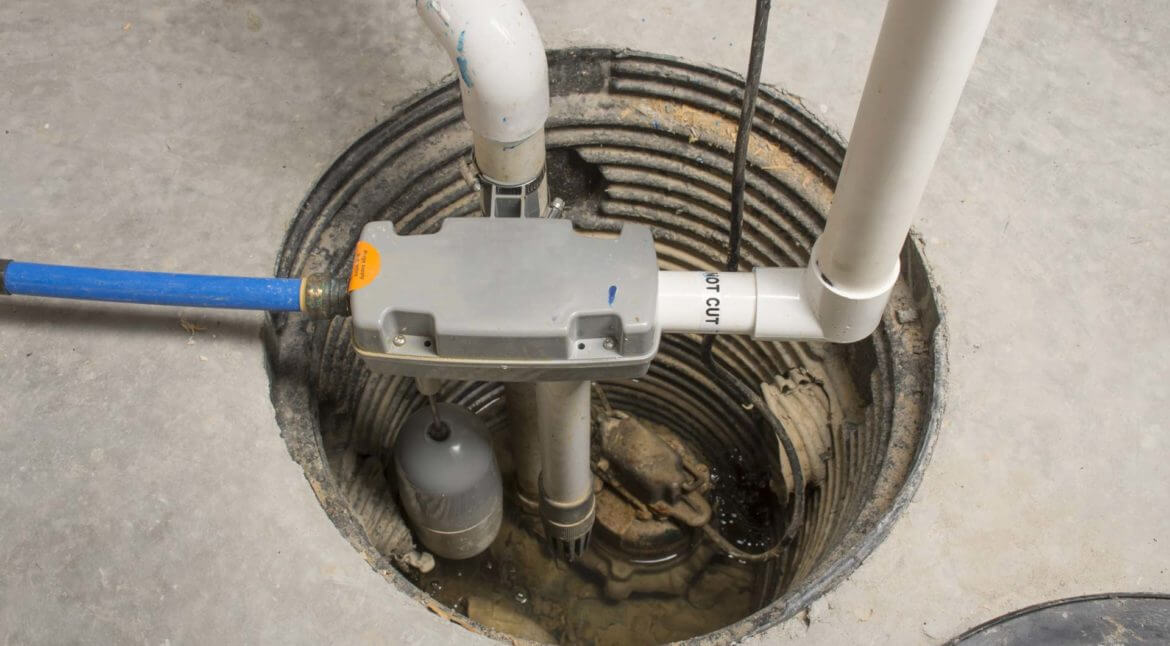
A sump pump is one of the home systems that rarely gets attention until it stops working. Many homeowners only realize there is a problem when heavy rain arrives, and water begins collecting where it should not. By that point, a small mechanical failure can quickly turn into a flooded basement and costly damage.
Sump pumps do not last forever. Knowing when it is time to replace one can help protect your home before the next storm hits.
How sump pumps protect your home
A sump pump is designed to collect and redirect groundwater away from the foundation. When functioning properly, it prevents water from pooling in basements and crawl spaces. During periods of heavy rain or snowmelt, the pump may cycle frequently to keep water levels under control.
When the system begins to fail, that protection disappears quickly.
Signs your sump pump may need to be replaced
Sump pumps often give warning signs before complete failure. Paying attention to these indicators can help homeowners act before water damage occurs.
Frequent cycling or nonstop operation
A sump pump that turns on and off constantly or runs continuously may be undersized, worn out or struggling to keep up with groundwater levels. Overworked pumps are more likely to fail when they are needed most.
Unusual noises or vibrations
Grinding, rattling or excessive vibration can signal worn internal components or debris inside the pump. These issues often worsen over time, reducing reliability.
Age of the pump
Most sump pumps last between seven and 10 years. If the system is approaching or beyond this range, replacement is often more reliable than repair.
Visible rust or damage
Corrosion, cracked housing or damaged discharge pipes can compromise performance. Even minor defects can lead to failure during heavy use.
Pump failure during storms
If the sump pump has stopped working during previous storms or power outages, it may no longer provide dependable protection.
Why replacing a sump pump before failure matters
Waiting for a sump pump to fail often means discovering the problem when water is already entering the home. Basement flooding can damage flooring, walls, furniture, appliances and stored belongings. Moisture can also lead to mold growth and structural concerns.
A new sump pump offers improved reliability, better efficiency and peace of mind during severe weather. Many newer systems also include backup options that protect during power outages.
What homeowners can check before calling a professional
While sump pump replacement is not a DIY project, homeowners can perform a few basic checks.
Test the pump
Pour water into the sump pit and observe whether the pump activates and removes the water efficiently.
Inspect the discharge line
Make sure the discharge pipe is clear and directing water away from the foundation.
Check the power source
Confirm the pump is plugged in and receiving power. Tripped breakers or loose connections can prevent operation.
These steps can help identify obvious issues, but do not replace a professional evaluation.
Call Plumbers 911 for a contractor referral
Replacing a sump pump involves electrical connections, proper sizing, discharge placement and compliance with local codes. An improperly installed pump may fail prematurely or provide inadequate protection during severe weather.
Plumbers 911 connects homeowners with a network of licensed, bonded and insured contractors whose plumbers have completed extensive training and passed rigorous background checks. Call today and be referred to a contractor who can evaluate the system, recommend the right replacement and install it correctly.


 Please wash your hands frequently. Washing with soap and water for twenty seconds is the preferred method, however when water is not available, please use an alcohol based hand sanitizer containing at least 60% alcohol.
 Practice social distancing by staying at least six feet away from another person.