
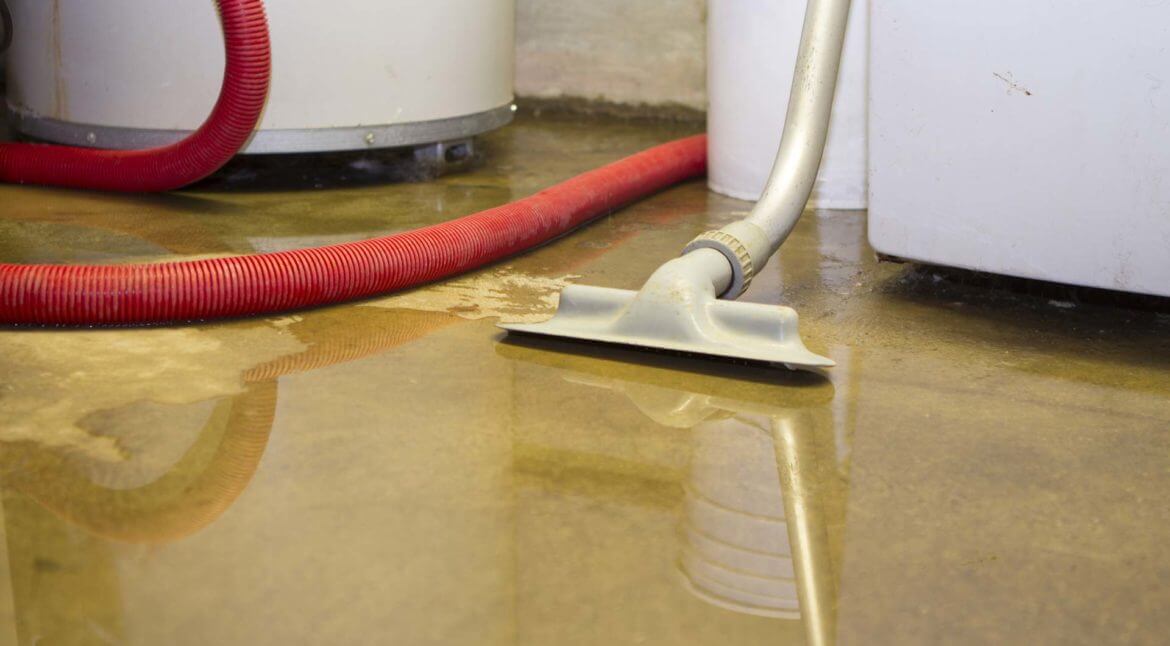
Heavy storms can spell trouble for homeowners, especially when it comes to your plumbing. One of the most serious threats is backflow — when contaminated water flows in reverse and enters your clean water supply.
Backflow can happen quickly during a bad storm, putting your family’s health and your property at risk. Knowing how to prevent backflow is essential for every homeowner.
What is backflow and why is it dangerous?
Backflow occurs when water flows backward through your plumbing system, bringing dirty or contaminated water into your home’s clean water lines. This can happen when heavy rain overwhelms city sewers or your own drainage system, creating pressure that forces water in the wrong direction. Backflow can introduce bacteria, chemicals and debris into your drinking water, creating a real health hazard.
Plumbing measures to prevent backflow
Install a backwater valve
A backwater valve is a device installed on your main sewer line that allows water to flow out of your home but prevents it from flowing back in. When the city sewer becomes overloaded during a storm, the valve closes automatically, stopping contaminated water from entering your basement or lower levels. A professional plumber can assess your system and install the right type of valve for your home.
Use backflow preventers on outdoor faucets and irrigation
Outdoor faucets, hose bibs and irrigation systems are common sources of backflow. Backflow preventers, also called vacuum breakers, stop contaminated water from being siphoned back into your home’s plumbing. These simple devices are a must for any outdoor connection.
Sump pump maintenance
A working sump pump helps keep your basement dry during heavy rain. Make sure your pump is in good condition, the discharge line is clear and the check valve is functioning. The check valve is a type of backflow preventer that keeps water from flowing back into the pit after the pump shuts off.
Proper grading and drainage
Ensure your yard is graded away from your home’s foundation so water flows toward storm drains and not into your basement. Downspouts should direct water at least six feet from the foundation. Good drainage makes it less likely that stormwater will overwhelm your plumbing.
Regular plumbing inspections
An annual plumbing inspection can identify weak points in your system, such as aging pipes, faulty connections or missing backflow devices. A professional plumber can recommend upgrades or repairs to keep your system storm-ready.
Avoid using plumbing during a storm
When a storm hits and sewers may be overloaded, avoid running dishwashers, washing machines or taking long showers. Reducing water use during heavy rain helps prevent backups.
Why call Plumbers 911 for backflow prevention?
Backflow prevention is not a DIY job. Installing backwater valves, check valves or backflow preventers requires specialized knowledge and must meet local plumbing codes. Here’s why you should call Plumbers 911 for a referral to a local plumbing contractor:
- Licensed and Insured Contractors: Plumbers 911 connects you with local plumbers who are fully licensed, bonded and insured.
- Extensive Training: Our network employs plumbers with over 10,000 hours of training and rigorous background checks.
- Expert Assessment: A professional can evaluate your risk and recommend the best backflow prevention solutions for your home.
- Proper Installation: All work is done to code, ensuring your home is protected and your water stays safe.
- Ongoing Support: Plumbers 911 can help with regular inspections, maintenance and emergency repairs.
Schedule your backflow prevention service today
Don’t wait for a bad storm to test your plumbing system. Take action now to protect your home, your health and your peace of mind. Call Plumbers 911 for a referral to a trusted local plumbing contractor who will guide you through the process and make sure all the work is done correctly.
Our affiliated licensed, bonded and insured contractors will guide you through the process and ensure all the plumbing work is done correctly. They employ highly qualified plumbers who receive over 10,000 hours of training and undergo rigorous background checks.

 Please wash your hands frequently. Washing with soap and water for twenty seconds is the preferred method, however when water is not available, please use an alcohol based hand sanitizer containing at least 60% alcohol.
 Practice social distancing by staying at least six feet away from another person.